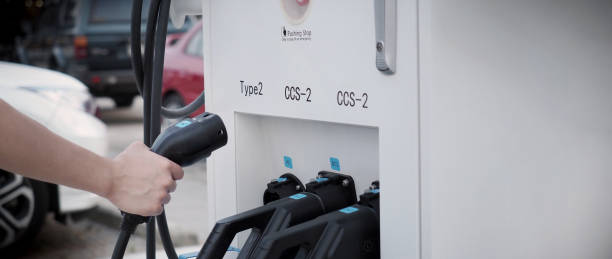
What’s the Difference Between CCS1 and CCS2 Charging Standards?

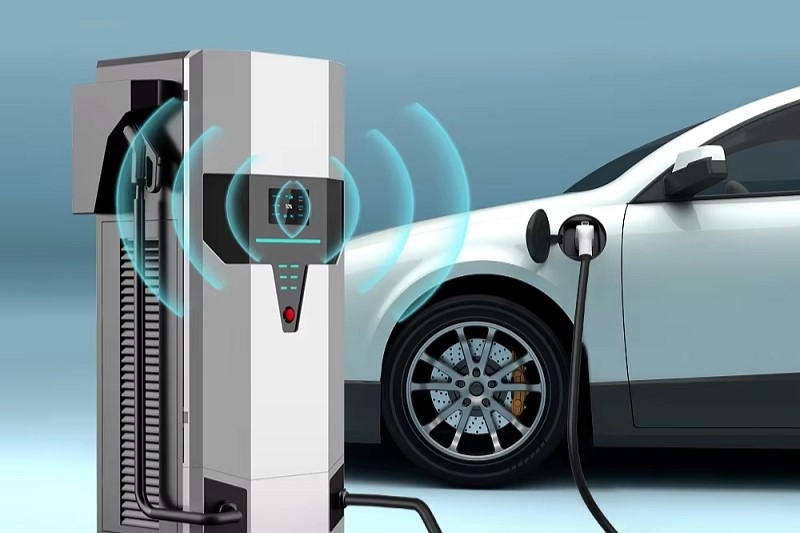
As the electric vehicle (EV) market continues to grow globally, charging standards have become one of the most crucial aspects of the EV ecosystem. Among the various types, the Combined Charging System (CCS) stands out as a leading standard for DC fast charging, offering both efficiency and flexibility for modern electric vehicles. However, the CCS system is divided into two primary types—CCS1 and CCS2—each catering to different regional and technical requirements.
Understanding the distinction between CCS1 and CCS2 is essential not only for EV owners and manufacturers but also for businesses developing CCS EV charging stations worldwide. This article explores the structural, electrical, and regional differences between CCS1 and CCS2, providing insights into how these standards shape the global EV charging landscape.
The Evolution of CCS Charging Standards
The Combined Charging System was introduced to unify AC and DC charging capabilities into one plug, allowing EVs to charge faster while maintaining compatibility with existing infrastructure. The CCS1 connector originated in North America, while CCS2 was developed for use in Europe and other global regions.
Both standards share a common goal: enabling fast, safe, and standardized DC charging for electric vehicles. However, due to variations in regional electrical grids, vehicle designs, and safety regulations, the connectors evolved into two slightly different versions.
While CCS1 and CCS2 are technically similar in function, their designs, shapes, and communication protocols reflect the distinct needs of their respective markets. These differences influence how CCS EV charging stations are deployed worldwide.
Understanding CCS1: The North American Standard
The CCS1 connector, officially known as SAE Combo 1, is primarily used in North America and South Korea. It combines the traditional Type 1 (SAE J1772) AC charging interface with two additional DC pins below it, forming a single plug capable of both AC and DC charging.
This dual-purpose design simplifies the charging process by using one port for all charging modes. When charging with AC power, only the upper portion (Type 1) is active. When DC fast charging, the lower two pins engage, allowing for significantly higher power transfer.
CCS1 connectors typically support DC charging rates up to 350 kW, depending on the vehicle and charger specifications. The connector design is optimized for single-phase power systems, aligning with North American electrical standards.
Understanding CCS2: The European and Global Standard
The CCS2 connector, or IEC Combo 2, is the European counterpart of the CCS1 system. It integrates the Type 2 (IEC 62196-2) AC connector with the same two DC fast-charging pins at the bottom.
Unlike CCS1, which was developed for single-phase power systems, CCS2 supports both single-phase and three-phase AC charging, making it more adaptable for European electrical infrastructure. The three-phase capability allows for faster AC charging speeds, providing an additional advantage in regions with robust grid networks.
CCS2 connectors also deliver up to 350 kW of DC power through high-power charging (HPC) systems. As a result, CCS2 has become the global standard in most regions outside of North America, including Europe, Australia, India, and parts of Asia.
 Key Differences Between CCS1 and CCS2
While CCS1 and CCS2 share a similar charging philosophy and performance potential, several technical and structural distinctions set them apart.
1. Plug Design
The most noticeable difference lies in the physical design of the plugs.
-
CCS1 features a Type 1 (J1772) upper portion designed for North American vehicles.
-
CCS2 incorporates a Type 2 (IEC 62196-2) interface, which is larger and supports more pins to enable three-phase AC charging.
Due to these differences, CCS1 and CCS2 plugs are not physically compatible. Vehicles equipped with one standard cannot directly connect to chargers of the other without adapters.
2. Electrical Compatibility
-
CCS1 is optimized for single-phase AC power, which is common in North American residential and public charging systems.
-
CCS2, in contrast, supports both single-phase and three-phase AC charging, giving it greater flexibility for regions where three-phase power is widely available.
This makes CCS2 EV charging stations more versatile in handling different voltage and current configurations.
3. Communication Protocols
Both standards rely on Power Line Communication (PLC) to manage data exchange between the vehicle and the charger. However, CCS2 follows IEC 61851 and ISO 15118 communication protocols, offering Plug & Charge compatibility, which allows seamless, automated authentication and billing.
While CCS1 supports similar protocols, regional software implementations may vary slightly, influencing how charging stations communicate with vehicles.
4. Regional Usage
-
CCS1: Predominantly used in North America and South Korea.
-
CCS2: Common in Europe, Australia, India, and other parts of Asia and South America.
This regional distinction means that EV manufacturers typically design vehicles to match the plug type of the target market.
CCS EV Charging Stations: Bridging the Gap
With global EV adoption accelerating, manufacturers and charging infrastructure providers like SIMSUKIAN are focusing on multi-standard CCS EV charging stations. These stations can support both CCS1 and CCS2 connectors, enabling broader compatibility across markets.
Modern CCS EV charging stations are equipped with advanced smart charging systems, allowing them to automatically detect the vehicle type and adjust charging parameters accordingly. Through intelligent software integration, these chargers manage voltage levels, current flow, and communication protocols to ensure safe and efficient operation.
Furthermore, the growing demand for universal fast charging has driven the development of adapter solutions and dual-standard stations capable of supporting CCS1, CCS2, CHAdeMO, and GB/T connectors simultaneously. This trend underscores the industry’s move toward interoperable and future-proof charging infrastructure.
The Role of CCS in the Future of EV Charging
The Combined Charging System remains a central component in the evolution of EV infrastructure. As automotive manufacturers push for faster charging times and global compatibility, CCS EV charging stations are expected to become even more advanced.
The integration of Plug & Charge (ISO 15118) technology into CCS systems allows drivers to plug in their vehicles and automatically start charging without using apps or RFID cards. This seamless experience enhances convenience and efficiency.
Moreover, as EV adoption expands across continents, universal CCS compatibility will be vital for ensuring consistent user experiences regardless of region. CCS2, due to its flexibility and global reach, is increasingly becoming the foundation for international charging networks.
Challenges in Global Standardization
While both CCS1 and CCS2 promote unified fast-charging solutions, regional fragmentation remains a challenge. Infrastructure providers must adapt to differing electrical regulations, grid voltages, and vehicle connector designs.
In North America, CCS1 will likely remain dominant for years, supported by major automakers and local charging networks. Meanwhile, CCS2 will continue to expand in Europe and other international markets, driven by regulatory alignment with EU and IEC standards.
Nevertheless, companies like SIMSUKIAN are at the forefront of bridging these gaps through modular CCS EV charging stations that can accommodate multiple standards, ensuring scalability and compatibility for global use.
Conclusion
In summary, while CCS1 and CCS2 share the same purpose—to deliver efficient and standardized fast charging for electric vehicles—their designs and regional applications differ significantly. CCS1 suits North American power systems with its single-phase structure, while CCS2 offers three-phase support for European and global markets, providing greater versatility.
For EV owners, understanding the distinction between these standards is essential when selecting compatible chargers or vehicles. For infrastructure providers, investing in multi-standard CCS EV charging stations ensures long-term flexibility as the industry continues to evolve.
Ultimately, both CCS1 and CCS2 play vital roles in supporting the global transition toward electric mobility. As technological advancements continue, CCS EV charging stations will remain the backbone of future fast-charging networks, connecting drivers across continents with greater speed, safety, and convenience.