
Smart Pile Chargers + App Management: The New Competitive Advantage for EV Charging Providers

Why Smart Pile Chargers Reshape the EV Charging Landscape
Electric mobility grows rapidly as more drivers rely on stable charging infrastructure. Charging providers face intense competition because users expect fast charging, reliable service, transparent billing, and flexible availability. Traditional charging piles no longer meet these expectations. They operate with limited data visibility and minimal real-time control. Consequently, service quality suffers, and user trust declines.
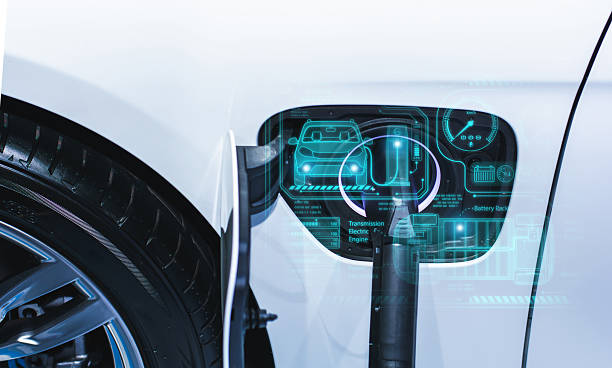
Smart pile chargers address these challenges with integrated software, dynamic power control, cloud connectivity, and intuitive app management. Together, these features transform basic charging stations into intelligent service platforms. They support remote control, real-time monitoring, user authentication, and automated billing. They also deliver consistent energy distribution for different EV models. Because these systems combine hardware and software, they improve both user experience and operational efficiency.
Modern EV charging now depends on digital infrastructure. Providers who adopt smart pile chargers gain a measurable advantage. They deliver better uptime, faster response to faults, streamlined maintenance, and stronger customer retention. This article explores how smart EV charging piles create new value through app-driven management and why they define the next stage of EV charging service growth.
Section 1: The Shift From Traditional Chargers to Smart Pile Chargers
1.1 Rising EV Adoption Creates Higher Demands for Charging Quality
More drivers choose electric vehicles every year. This surge increases pressure on charging networks. Drivers need fast chargers at predictable locations. They also need stable performance during every session. Traditional piles cannot satisfy these needs because they lack real-time analytics and dynamic control. Smart pile chargers solve this by using intelligent modules to adapt to different energy demands. They also regulate voltage and current based on vehicle requirements.
Consequently, smart piles deliver safer and more efficient charging. They also support evolving EV technologies without requiring constant hardware replacement. This adaptability makes them ideal for long-term infrastructure planning.
1.2 Urban Mobility Requires Data-Driven Charging Networks
Cities now prioritize clean transportation. However, charging networks only succeed when operators control them precisely. Traditional piles create data gaps. Operators cannot see power trends or user behavior. Smart pile chargers supply complete data through connected sensors and cloud analytics. These insights allow operators to adjust pricing, manage loads, and plan expansion.
As a result, the charging infrastructure becomes more reliable and more profitable. Data also helps forecast peak periods and reduce grid stress. Therefore, digital charging systems improve sustainability and reduce operational waste.
1.3 Public Expectations Shift Toward Transparent, App-Driven Services
Consumers expect app-based control across all industries. EV users want the same experience. Smart EV charging piles integrate seamlessly with mobile apps. Drivers can check availability, start charging, view live progress, and pay instantly. This convenience builds user loyalty. Providers gain a stronger brand identity because their systems feel modern and reliable.
Thus, app management becomes a core competitive advantage rather than an optional feature.
Section 2: Core Technologies Behind Smart Pile Chargers
2.1 Intelligent Power Distribution Creates Seamless Charging
Smart pile chargers use dynamic power modules that adjust current levels based on real-time vehicle demand. This technology ensures smooth energy flow. It also protects batteries from stress. Intelligent distribution responds instantly to load changes. Therefore, charging remains stable under all conditions.
This precision improves speed and reduces heat. It also keeps devices within safe operating limits.
2.2 Connectivity Enables Remote Control and Real-Time Data
Each smart pile charger includes communication modules that support Ethernet, Wi-Fi, or 4G links. These modules send data to cloud platforms. Operators monitor voltage, temperature, usage patterns, and energy consumption. They also adjust settings remotely.
Consequently, service teams act before problems escalate. They troubleshoot issues quickly. They also update firmware without visiting the site. This connectivity enhances network resilience and reduces maintenance costs.
2.3 Secure Authentication Protects Users and Assets
Smart charging piles use encrypted communication to protect personal data. They also support user authentication via app, RFID, or QR code. This prevents unauthorized usage. It also strengthens billing accuracy. Security becomes critical as networks expand. Smart systems maintain consistent protection against misuse and fraud.
2.4 Intelligent Cooling Ensures Stable Long-Term Operation
Heat damages electronic components. Smart pile chargers address this with optimized airflow paths, advanced materials, and thermal sensors. These systems reduce heat output during peak loads. They also adjust cooling intensity based on real-time measurements. This reduces downtime and extends product lifespan.
Section 3: How App Management Elevates EV Charging Services
3.1 Real-Time Control Improves Flexibility and User Experience
App management gives users complete control. Drivers start or stop sessions instantly. They view power levels and estimated completion times. They also receive notifications when charging finishes. This level of control reduces stress and improves satisfaction. Operators also benefit. They adjust pricing, manage power caps, and apply promotions. This flexibility strengthens competitiveness.
3.2 Accurate Billing Enhances Transparency
Smart pile chargers calculate consumption precisely. Apps display usage breakdowns. Drivers pay through secure digital channels. This clarity eliminates disputes. It also builds trust between users and providers. Transparent billing becomes a vital advantage in dense markets.
3.3 Remote Fault Diagnostics Reduce Downtime
Service interruptions damage brand image. App-connected systems detect faults quickly. They send alerts to operators. Technicians review data remotely. They understand problems before reaching the site. Consequently, repairs take less time. This reduces losses and improves uptime. High availability becomes a powerful selling point for EV charging networks.
3.4 Usage Analytics Guide Better Infrastructure Planning
Apps collect valuable data. Providers use this data to identify peak hours, understand user habits, and locate charging bottlenecks. These insights support expansion planning. They also guide partnerships with parking facilities, retail centers, or residential communities. Data-driven decisions ensure efficient investment and reduce waste.
Section 4: Hardware Design Features That Strengthen Smart Pile Chargers
4.1 Reinforced Housing Provides Durability in Harsh Environments
Smart pile chargers operate outdoors. They face heat, rain, dust, and impact. High-quality housings use thickened metal or high-grade plastics. These materials protect internal components. They also prevent corrosion and deformation. This durability ensures consistent service even in challenging climates.
4.2 High-Precision Sensors Improve System Stability
Temperature, voltage, and current sensors monitor each charging cycle. They detect abnormal conditions quickly. The system adjusts output or stops charging to protect vehicles. These sensors also send data to cloud platforms. Operators track system health continuously. This sensor network strengthens the overall reliability of the charging ecosystem.
4.3 Advanced Surge Protection Guards Against Power Fluctuations
Electric grids experience unpredictable fluctuations. Smart pile chargers include multi-layer surge protection. This protects both chargers and vehicles. It also ensures safe operation in older or unstable grids. Safety becomes essential when powering costly EV batteries.
4.4 Modular Construction Simplifies Maintenance
Many smart pile chargers use modular layouts. Technicians replace specific components instead of entire units. This reduces downtime. It also lowers repair costs. Modularity becomes a strategic feature for large-scale deployments.
 Section 5: Smart Pile Chargers as a Strategic Asset for EV Providers
5.1 Enhanced User Experience Increases Customer Retention
Drivers choose stations that offer convenience and reliability. Smart piles with app control deliver both. They provide consistent performance. This experience builds loyalty and increases repeat usage.
5.2 Higher Operational Efficiency Improves Profitability
Smart pile chargers reduce waste. They streamline energy management. They also decrease repair frequency. These improvements increase operational efficiency. Providers serve more users without expanding headcount. This efficiency transforms charging infrastructure into a sustainable business model.
5.3 Real-Time Insights Support Intelligent Pricing Strategies
Data reveals demand trends. Providers adjust prices based on peak hours, location patterns, or seasonal changes. This dynamic pricing increases revenue. It also improves user distribution across stations. Smart systems enable strategic pricing that maximizes resource value.
5.4 Scalable Architecture Supports Future Growth
Smart pile chargers integrate easily with new technologies. They support future EV models. They connect with smart grids, solar systems, and energy storage. This compatibility protects long-term investment. Therefore, providers who adopt smart solutions prepare for industry evolution.
Conclusion: Smart Pile Chargers and App Management Define the Future of EV Charging
Electric mobility demands intelligent, flexible, and reliable charging infrastructure. Smart pile chargers meet these demands with dynamic power management, real-time communication, advanced protection, and app-based operation. They reshape how providers manage networks and how users experience charging. App management enhances transparency and usability. Real-time data improves decision-making. Hardware durability ensures long-term stability.
Together, these features form a new competitive advantage. Providers gain a stronger brand identity, better operational efficiency, and enhanced customer loyalty. Users gain faster, more predictable charging. As charging networks expand worldwide, smart pile chargers will become essential pillars of EV infrastructure. They deliver the intelligence, scalability, and reliability needed for sustainable industry growth.