
How Public Electric Vehicle Charging Stations Reduce Urban Carbon Emissions

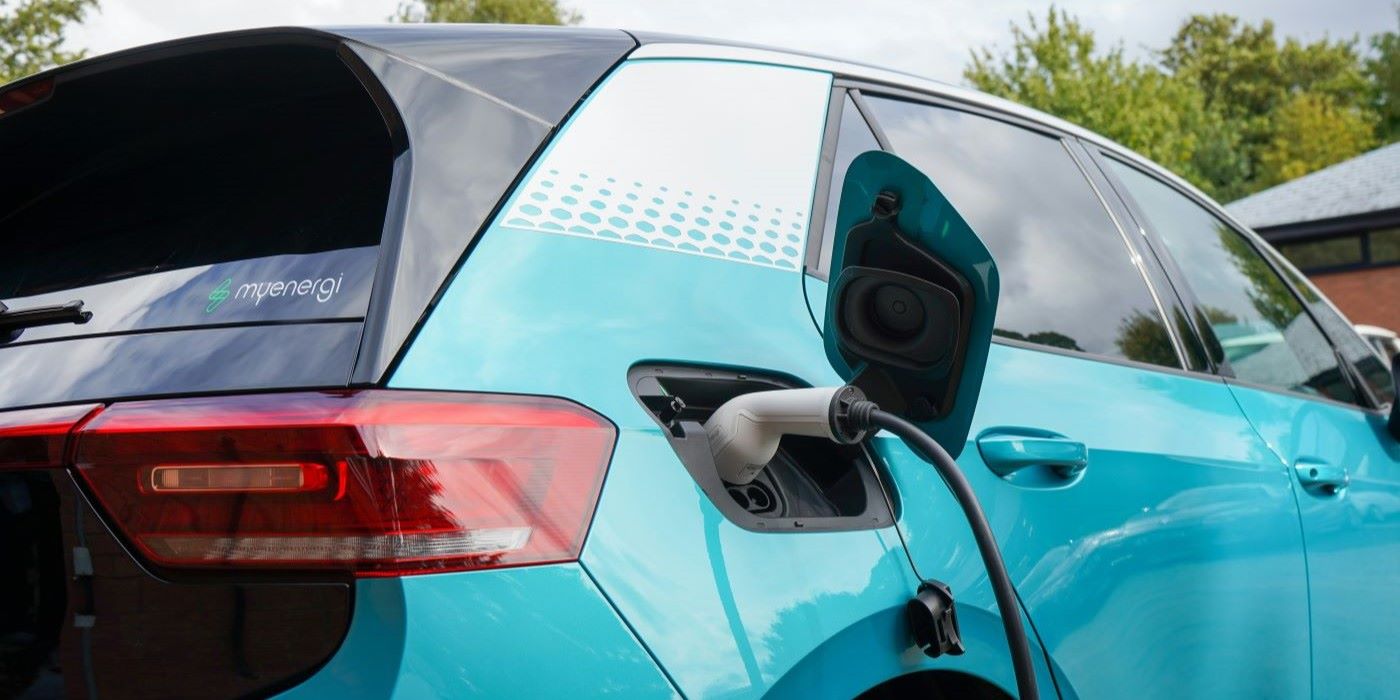
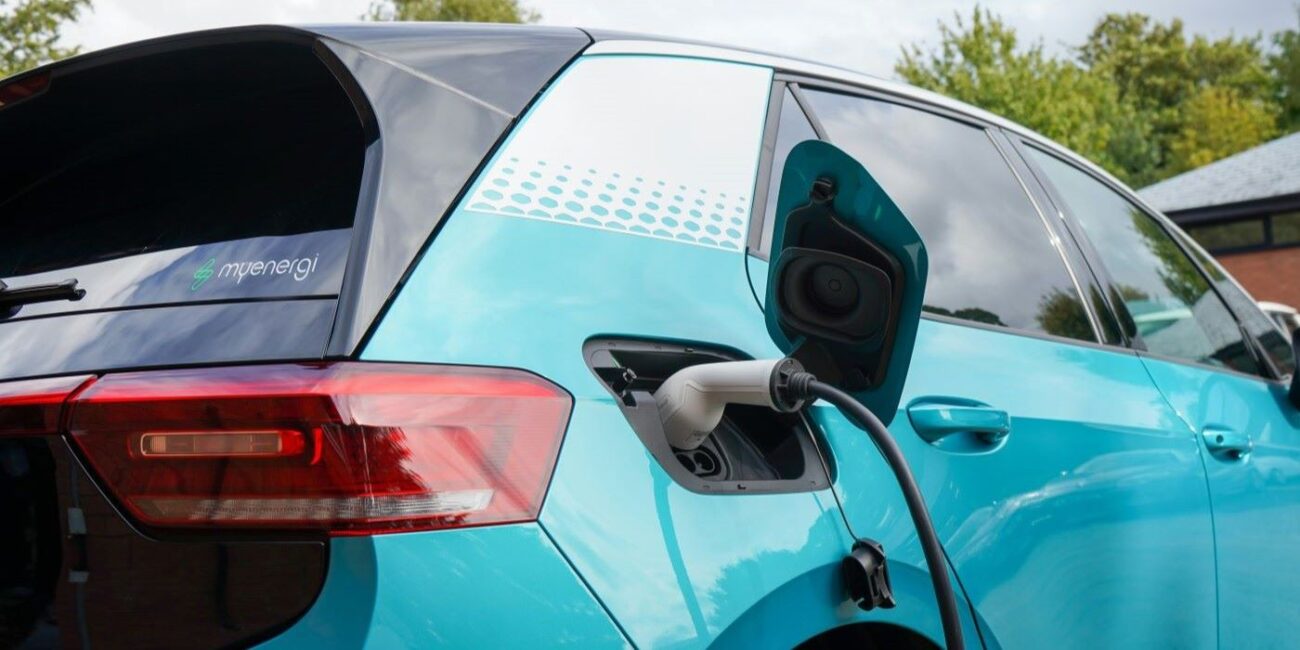
The growth of urban populations has created new demands for sustainable transportation. At the center of this shift, the public electric vehicle charging station has become a critical enabler of low-carbon mobility. Cities that integrate charging infrastructure not only reduce greenhouse gas emissions but also reshape mobility patterns. Therefore, the role of charging stations extends far beyond convenience; they influence environmental policy, urban design, and long-term sustainability goals.
Charging Infrastructure as a Climate Strategy
Public electric vehicle charging stations form a direct bridge between clean energy adoption and measurable carbon reduction. As electric vehicles replace internal combustion engines, emissions tied to daily commutes decline. This transition does not occur by chance. It requires reliable charging points located where people live, work, and travel. When such networks expand, they encourage drivers to choose EVs with confidence, knowing they will not face range anxiety. Thus, charging stations accelerate adoption, which directly lowers urban emissions over time.
Urban Accessibility and Behavioral Change
The accessibility of charging stations drives behavioral change among drivers. In cities where stations are available in public parking lots, shopping centers, and residential zones, the adoption rate of EVs rises steadily. Accessible charging reduces the psychological barrier to transition from gasoline to electricity. Furthermore, public availability helps normalize EV use. When drivers witness more charging activity in visible locations, they perceive EVs as the new standard of urban mobility. This visibility shapes long-term attitudes toward sustainable transport.
Integration with Renewable Energy
A public electric vehicle charging station gains greater environmental value when integrated with renewable energy. Many forward-looking cities pair stations with solar, wind, or grid systems designed for clean electricity. This integration ensures that EVs are not only free from tailpipe emissions but also powered by low-carbon sources. The impact becomes significant when scaled across thousands of vehicles. The charging infrastructure, therefore, becomes part of a larger ecosystem of sustainable energy transition.
 Economic Incentives and Urban Benefits
Governments and municipalities increasingly recognize the dual role of public charging stations. They serve as a public good for sustainable living and as a catalyst for economic growth. Stations attract consumers to businesses, as drivers spend time shopping or dining while charging. They also create opportunities for private investment in urban infrastructure. Beyond direct revenue, the wider benefit lies in public health. Lower carbon emissions mean cleaner air, reduced respiratory illness, and less economic burden on healthcare systems.
Overcoming Barriers to Expansion
Despite the clear benefits, building a robust charging infrastructure faces challenges. High installation costs, land availability, and grid capacity all slow down deployment. However, collaboration between governments, utility companies, and private businesses continues to solve these issues. For example, fast-charging technologies and modular station designs lower installation barriers. Furthermore, cities that plan charging networks in advance can align them with existing transportation flows, maximizing efficiency and coverage.
Future Prospects for Carbon Reduction
The future of urban sustainability rests heavily on scalable charging infrastructure. As electric vehicle technology advances, public electric vehicle charging stations will adapt to support higher capacities and faster charging times. This evolution ensures that carbon emissions from transportation decline consistently. Moreover, as cities pursue net-zero goals, charging infrastructure becomes an essential part of climate action plans. It not only reduces emissions but also symbolizes a commitment to a cleaner, healthier urban future.
Conclusion
The impact of public electric vehicle charging stations reaches far beyond convenience for EV drivers. These stations form the backbone of a low-carbon urban ecosystem. They enable sustainable mobility, foster renewable integration, and improve public health. While challenges remain, the long-term benefits outweigh the obstacles. With every charging point installed, cities take a decisive step toward reducing emissions and achieving sustainable growth. Ultimately, public charging stations are not just technological tools; they are strategic instruments in the global effort to fight climate change.