
Custom EV Charging Solutions: Meeting Unique Business and Location Requirements

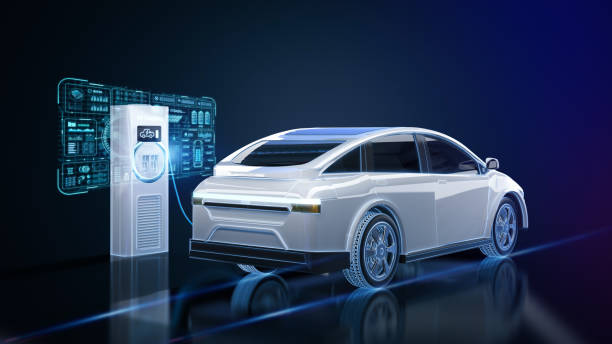
The adoption of electric vehicles (EVs) is accelerating globally. Businesses face rising pressure to provide reliable and convenient charging infrastructure. Standardized solutions often fail to meet unique operational, spatial, or regulatory requirements. Commercial electric vehicle charging solutions must adapt to diverse business models, site layouts, and user demands. Custom designs address these challenges, ensuring efficiency, accessibility, and long-term scalability.
Understanding Business-Specific Charging Needs
Each business environment has distinct energy and operational profiles. Office campuses, retail centers, industrial facilities, and hospitality venues all present different usage patterns. Some sites experience peak charging periods during work hours, while others must accommodate high turnover for short-term visitors. A commercial EV charging solution tailored to these conditions improves user satisfaction, reduces wait times, and optimizes energy consumption. Customized systems consider factors such as vehicle fleet size, visitor frequency, and anticipated growth trends.
Site Assessment and Infrastructure Constraints
Proper design begins with a thorough site assessment. Factors such as available electrical capacity, parking layout, accessibility, and local regulations influence charger selection. Many sites require integration with existing electrical panels or energy management systems. Additionally, space constraints may limit charger placement. Custom EV charging solutions allow flexibility in mounting options, cable management, and modular deployment. This ensures installations maximize usability while adhering to safety and regulatory standards.
Charger Type Selection for Specific Applications
Commercial EV charging solutions vary in power output, connector type, and user interface. Level 2 chargers suit long-duration parking such as office lots, whereas DC fast chargers meet high-demand environments like retail hubs or transportation depots. Custom solutions enable mixed deployment of multiple charger types to optimize energy delivery and reduce bottlenecks. Businesses can also integrate intelligent features, such as scheduling, remote monitoring, and billing capabilities, to improve operational efficiency and cost management.
Power Management and Load Balancing
High-capacity installations require careful load management to prevent grid overloads. Custom EV charging systems integrate smart power distribution and load balancing technologies. By dynamically adjusting charging currents based on energy availability and demand, these systems maximize efficiency without exceeding electrical capacity. Integration with renewable energy sources or battery storage enhances sustainability. Load balancing ensures consistent performance, even when multiple vehicles charge simultaneously.
Enhancing User Experience Through Custom Features
User satisfaction drives repeat usage and promotes a positive perception of a business. Tailored charging solutions offer features such as mobile app integration, contactless authentication, and real-time availability updates. Some commercial setups include multiple charging bays with adaptive guidance systems. Providing intuitive user interfaces reduces operational support requirements and minimizes confusion for first-time EV users. Customization ensures seamless interaction, supporting business reputation and convenience.
Durability and Environmental Considerations
Commercial chargers often operate in harsh or outdoor environments. Exposure to sun, rain, dust, and mechanical wear necessitates durable materials and protective enclosures. Custom EV chargers incorporate weatherproofing, robust mounting, and corrosion-resistant components. Thermal management is critical for high-power applications to prevent overheating. Businesses with sustainability goals can also prioritize energy-efficient components and recyclable materials. Proper engineering extends the lifecycle of installations while reducing maintenance costs.
Compliance and Safety Standards
All commercial EV charging solutions must adhere to local electrical codes, safety regulations, and industry standards. Custom solutions allow compliance with jurisdiction-specific requirements, including overcurrent protection, emergency shutoff, and grounding protocols. Safety considerations extend to physical site safety, preventing trip hazards and ensuring accessible pathways for users. Compliance guarantees reliable operation while reducing liability risks for businesses.
Scalability for Future Expansion
EV adoption continues to grow, requiring systems that evolve with demand. Custom EV charging solutions offer modularity, allowing businesses to expand capacity as fleets grow or visitor numbers increase. Scalable architectures support incremental charger additions without major rewiring or infrastructure overhaul. Flexible deployment ensures businesses can adapt to changing needs, maximizing return on investment while minimizing disruption.
Integration with Smart Energy Solutions
Modern commercial EV chargers often integrate with smart energy platforms. Systems can communicate with building management software, renewable energy installations, and grid demand response programs. Intelligent charging schedules reduce peak energy consumption and lower operating costs. Integration supports sustainability objectives while providing actionable insights into usage patterns. Custom solutions allow businesses to optimize energy utilization tailored to their operational requirements.
Cost Optimization Through Tailored Solutions
While off-the-shelf chargers may appear cost-effective initially, they can incur hidden expenses. Improperly matched solutions require retrofits, additional infrastructure, or energy penalties. Custom EV chargers align precisely with site conditions, energy profiles, and user behavior, reducing long-term operational costs. Investment in tailored infrastructure ensures optimal performance, minimal downtime, and efficient resource use.
Case Studies in Diverse Applications
Numerous industries have benefited from custom EV charging solutions. Office parks deploy multiple Level 2 chargers with smart scheduling to serve employee fleets. Retail chains utilize fast-charging hubs with dynamic power distribution to accommodate transient visitors. Hospitality venues combine solar energy integration with modular DC chargers for sustainability and convenience. Industrial facilities implement ruggedized chargers for large delivery fleets. Each scenario demonstrates how tailored designs improve efficiency, user satisfaction, and energy utilization.
Conclusion: The Value of Custom EV Charging Solutions
Custom commercial electric vehicle charging solutions provide critical advantages for businesses seeking efficiency, user satisfaction, and sustainability. Tailored designs address unique site constraints, energy requirements, and user behavior patterns. Flexible charger deployment, intelligent load management, and modular expansion ensure reliable performance today and adaptability for tomorrow. By understanding operational needs and integrating advanced technology, businesses can deliver seamless EV experiences while optimizing costs and supporting environmental goals. Custom solutions remain essential for meeting the diverse challenges of modern EV infrastructure.