CCS EV Charging Stations and the Rise of Connected Mobility Apps


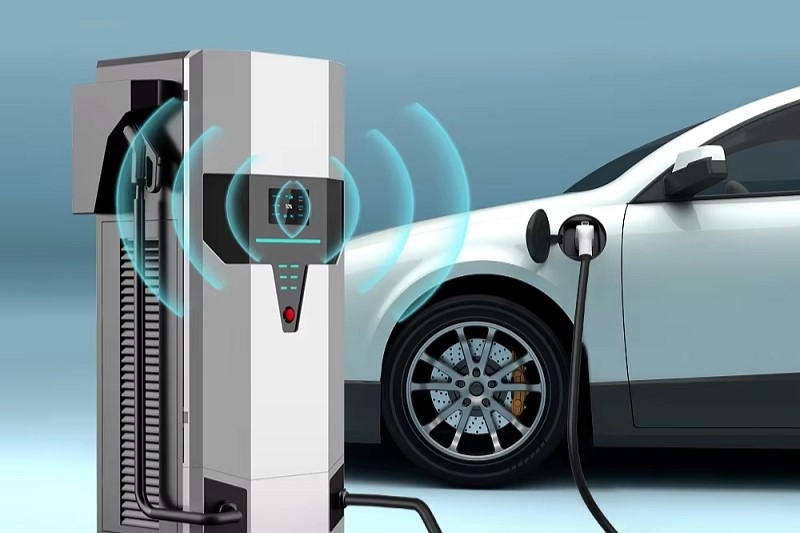
The adoption of electric vehicles continues to grow rapidly worldwide. Drivers increasingly rely on reliable and fast charging infrastructure. CCS EV charging stations have emerged as a standard solution to meet this demand. Their design allows high-speed charging while maintaining compatibility with a wide range of electric vehicles. Beyond physical hardware, connectivity with mobile apps significantly improves user experience. Connected mobility apps provide real-time information on availability, pricing, and charging status. The synergy between hardware and software creates a seamless ecosystem for EV drivers.
The Role of CCS Charging Standards
CCS, or Combined Charging System, combines AC and DC charging ports in a single interface. This standard facilitates fast charging without compromising compatibility. CCS EV charging stations can deliver high-power DC fast charging, reducing charging time substantially. As battery technology evolves, the ability to support multiple voltage levels ensures future-proof performance. Moreover, CCS integration simplifies infrastructure deployment because one station can serve various EV models. Standardization encourages wider adoption and helps reduce range anxiety for drivers.
Hardware Design and Efficiency
Hardware efficiency in CCS EV charging stations determines reliability and speed. High-quality power electronics convert alternating current from the grid to direct current for vehicle batteries. Thermal management systems maintain optimal operating temperatures, preventing overheating and ensuring long-term durability. Robust connectors and ergonomic design facilitate safe and convenient usage. Engineers focus on both electrical efficiency and mechanical durability. Optimized design minimizes energy loss while supporting continuous operation even under peak demand conditions.
Integration with Connected Mobility Apps
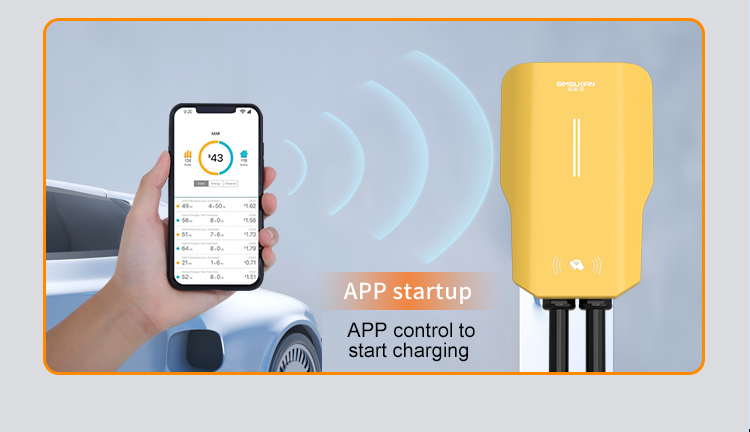
Connected mobility apps have transformed the EV charging experience. Users can locate CCS EV charging stations in real-time through integrated maps. Apps display live availability, queue length, and expected charging duration. Drivers can reserve slots, receive notifications, and even make payments directly through mobile platforms. The integration of apps and charging stations enhances convenience, reduces waiting time, and improves the overall efficiency of EV networks. This convergence of hardware and software establishes a connected ecosystem for electric mobility.
Real-Time Data and Network Management
Connected mobility apps gather data from CCS EV charging stations continuously. Data points include power usage, session duration, energy delivered, and fault alerts. Network operators can monitor performance remotely and optimize resource allocation. Predictive analytics help identify maintenance needs before failures occur. This proactive approach reduces downtime and increases system reliability. Real-time monitoring also informs grid operators about energy consumption trends, enabling smart energy management. Data-driven insights maximize uptime and enhance user satisfaction.
User Experience and Convenience
For EV drivers, convenience is paramount. CCS EV charging stations paired with mobility apps ensure that drivers find stations without delays. Drivers can filter stations by power output, availability, and cost. Notifications inform users when charging is complete, reducing unnecessary waiting. App-based interfaces also support loyalty programs and personalized recommendations. The result is a seamless experience where hardware performance and software intelligence align. Satisfied users are more likely to adopt electric vehicles and recommend the service to others.
Supporting Smart Grid Integration
Modern CCS EV charging stations support smart grid interactions. Stations can adjust power output based on grid demand, time-of-use pricing, or renewable energy availability. This capability reduces stress on the electrical grid during peak hours. Energy storage integration allows stations to store surplus energy and release it when needed. Connected mobility apps facilitate user participation in demand response programs. The combination of intelligent hardware and software enables sustainable energy management while maintaining user convenience.
Security and Authentication
Security is critical for connected CCS EV charging stations. Authentication protocols ensure that only authorized users access the station. Mobile apps provide secure payment processing and user verification. Data encryption protects communication between the vehicle, station, and app backend. Security measures also include physical safeguards for connectors and cables. Maintaining trust in both the hardware and software is essential for the long-term adoption of CCS charging networks.
Maintenance and Operational Efficiency
Connected systems improve maintenance efficiency. Mobility apps report faults or abnormal operation immediately to network operators. Scheduled maintenance is informed by historical usage patterns, reducing unexpected downtime. Remote firmware updates allow software optimization without physical intervention. Operational data helps predict component wear, optimizing replacement schedules. The integration of monitoring and analytics ensures CCS EV charging stations remain reliable and accessible, enhancing overall network performance.
Expanding Infrastructure and Scalability
The demand for EV charging infrastructure continues to grow. CCS EV charging stations are designed for scalability. Modular design allows additional charging units to be added to existing sites. Mobility apps support station expansion by providing updated maps and usage statistics. Urban planners and commercial operators can make data-driven decisions on station placement. The combination of modular hardware and software intelligence ensures a scalable and efficient charging network that grows alongside EV adoption.
Environmental Impact and Sustainability
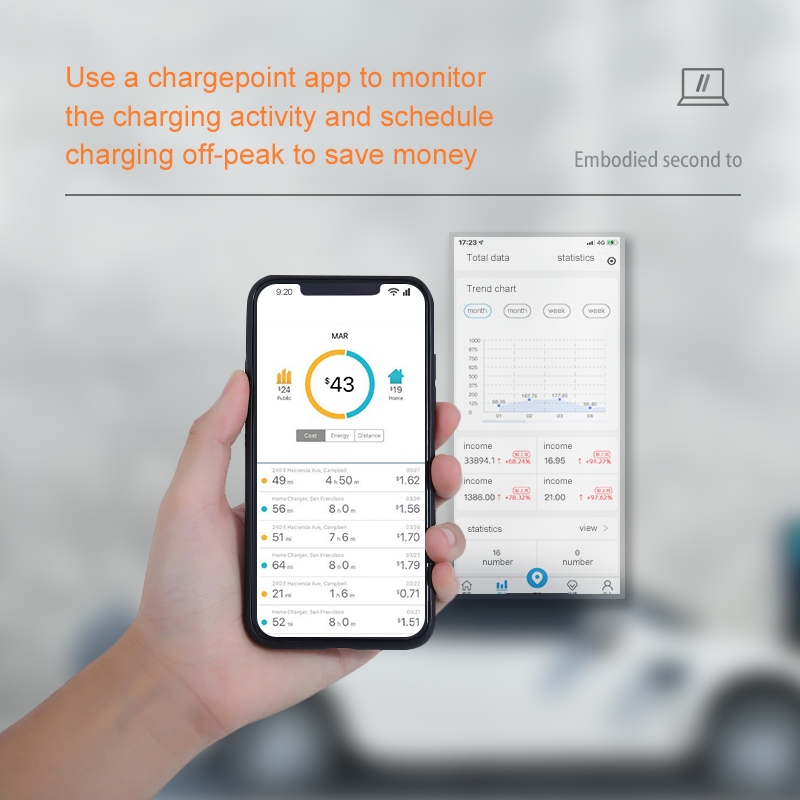
CCS EV charging stations contribute to sustainable transportation. Fast, reliable charging encourages EV adoption, reducing fossil fuel consumption. Smart energy management optimizes renewable energy integration. Mobility apps provide usage analytics that encourage eco-friendly charging behaviors. Sustainable design includes energy-efficient electronics, recyclable materials, and reduced standby power consumption. Together, these features support a low-carbon, environmentally responsible charging infrastructure.
Future Trends in Connected Charging
The future of CCS EV charging stations is closely linked to technological advancements. Integration with AI-driven mobility apps will predict charging demand and optimize station availability. Vehicles may communicate directly with stations to pre-condition battery charging. Renewable energy storage will become standard, reducing grid dependency. High-speed networks and 5G connectivity will support real-time monitoring and updates. Hardware and software co-evolution will enhance both efficiency and user experience, positioning CCS EV charging stations as central components of connected mobility ecosystems.
Conclusion: Driving the Connected EV Ecosystem
CCS EV charging stations, combined with connected mobility apps, redefine the electric vehicle experience. Hardware innovation ensures fast, reliable, and durable charging. Software integration provides real-time information, secure payments, and predictive maintenance. Together, they create a seamless, data-driven, and sustainable ecosystem for modern mobility. Understanding the interplay between physical infrastructure and connected services allows operators to optimize performance, enhance user satisfaction, and support the growing global EV market.